



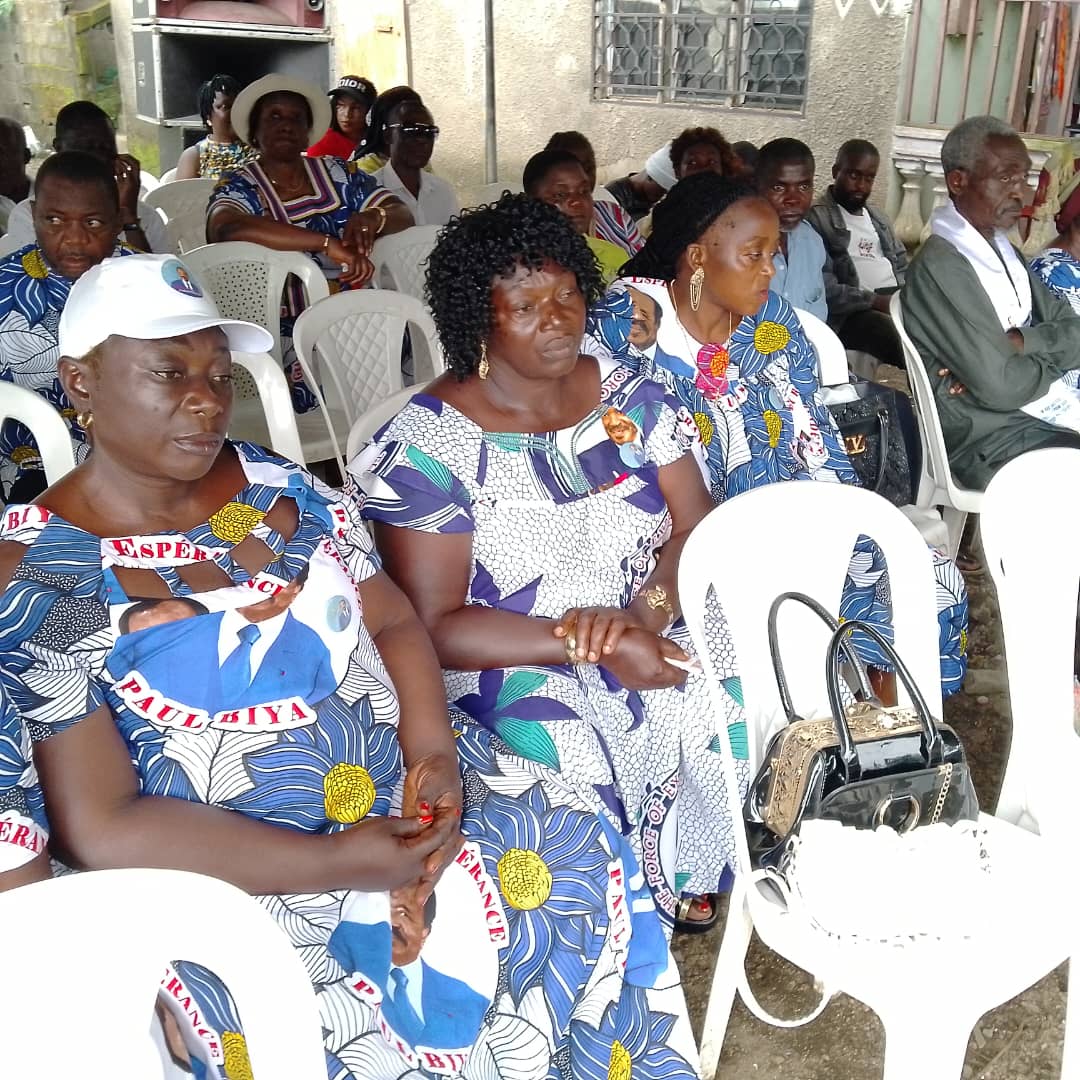
Militants and sympathizers of the Cameroon Peoples Democratic Movement (CPDM) Kupe Muanenguba III Section, Tombel, celebrated the 43rd anniversary of President Paul Biya’s ascension to the Supreme Magistracy of the state and his Swearing-In ceremony following his re-election on October 12, in pomp and pageantry.
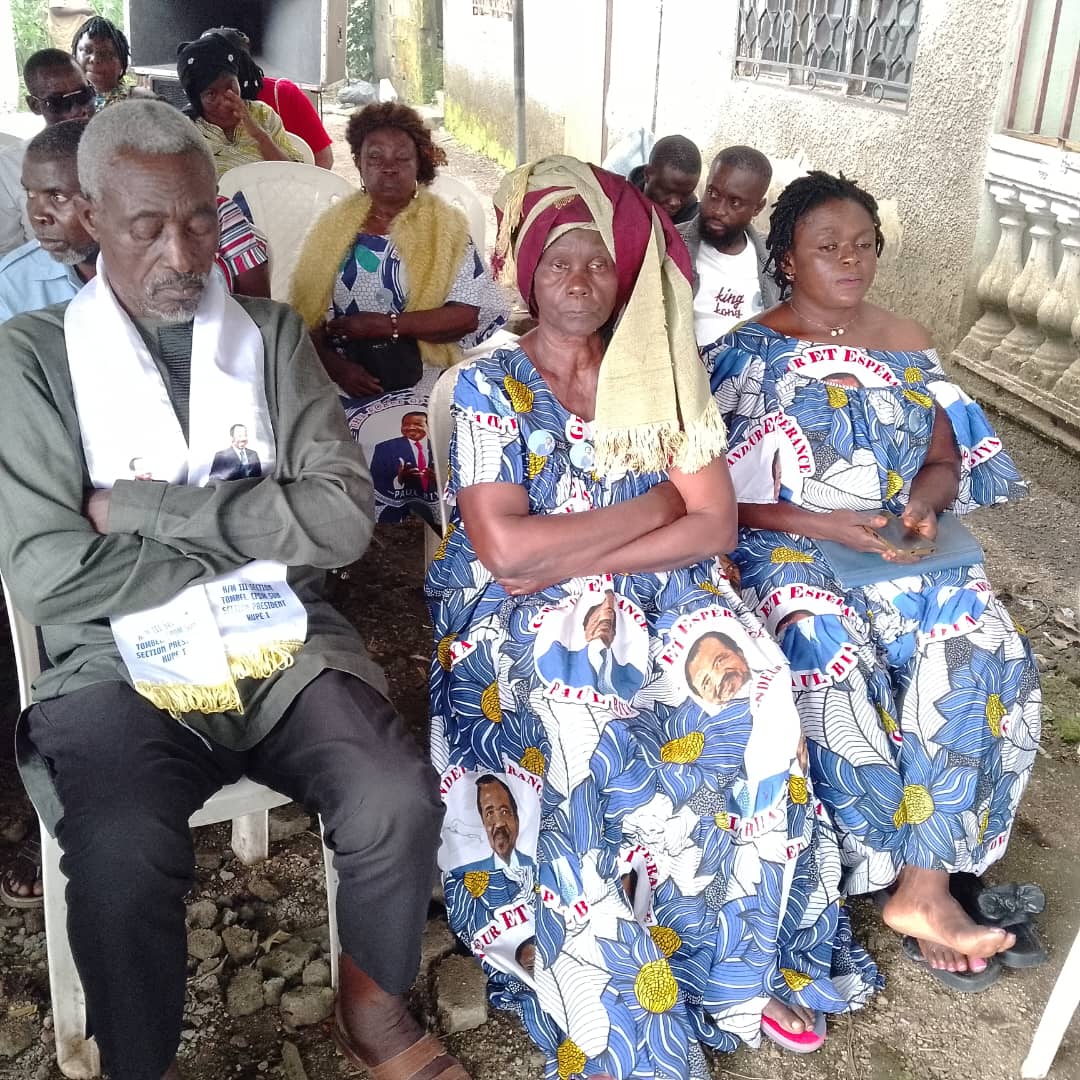

The twin ceremony took place on November 6, 2025, at the CPDM Party Secretariat in Tombel, grouping militants and sympathizers from the 13 central sub sections, alongside members of the section executive.
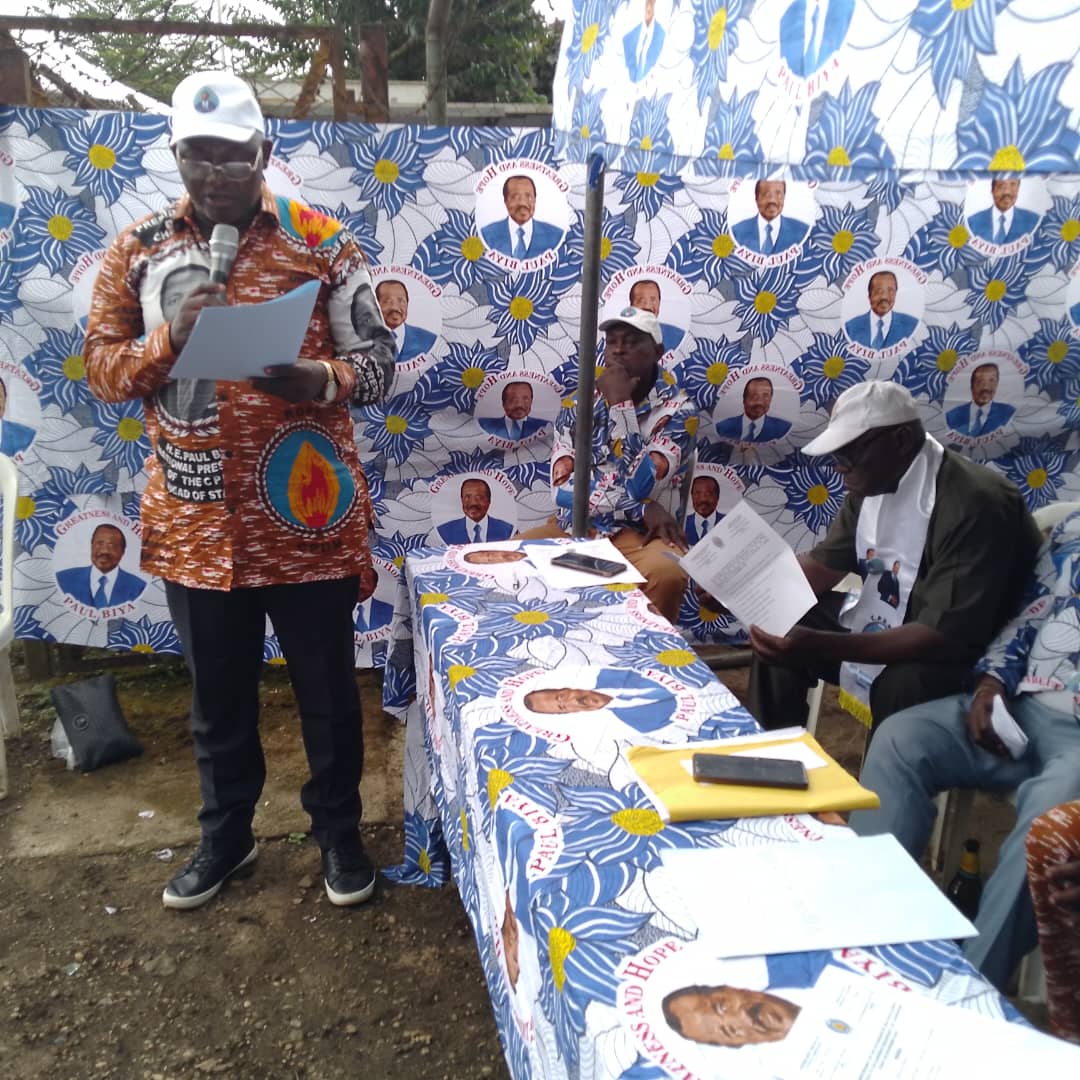
In his keynote address, the Section Vice President, Nhon Kome Evaristus Metuge, expressed optimism and enthusiasm, describing the occasion as “a new dawn in the political fiefdom of our great nation, Cameroon.” He called on party militants to remain steadfast, loyal, and disciplined, emphasizing that “it is time to reap the fruits of our unwavering support to the Head of State.”
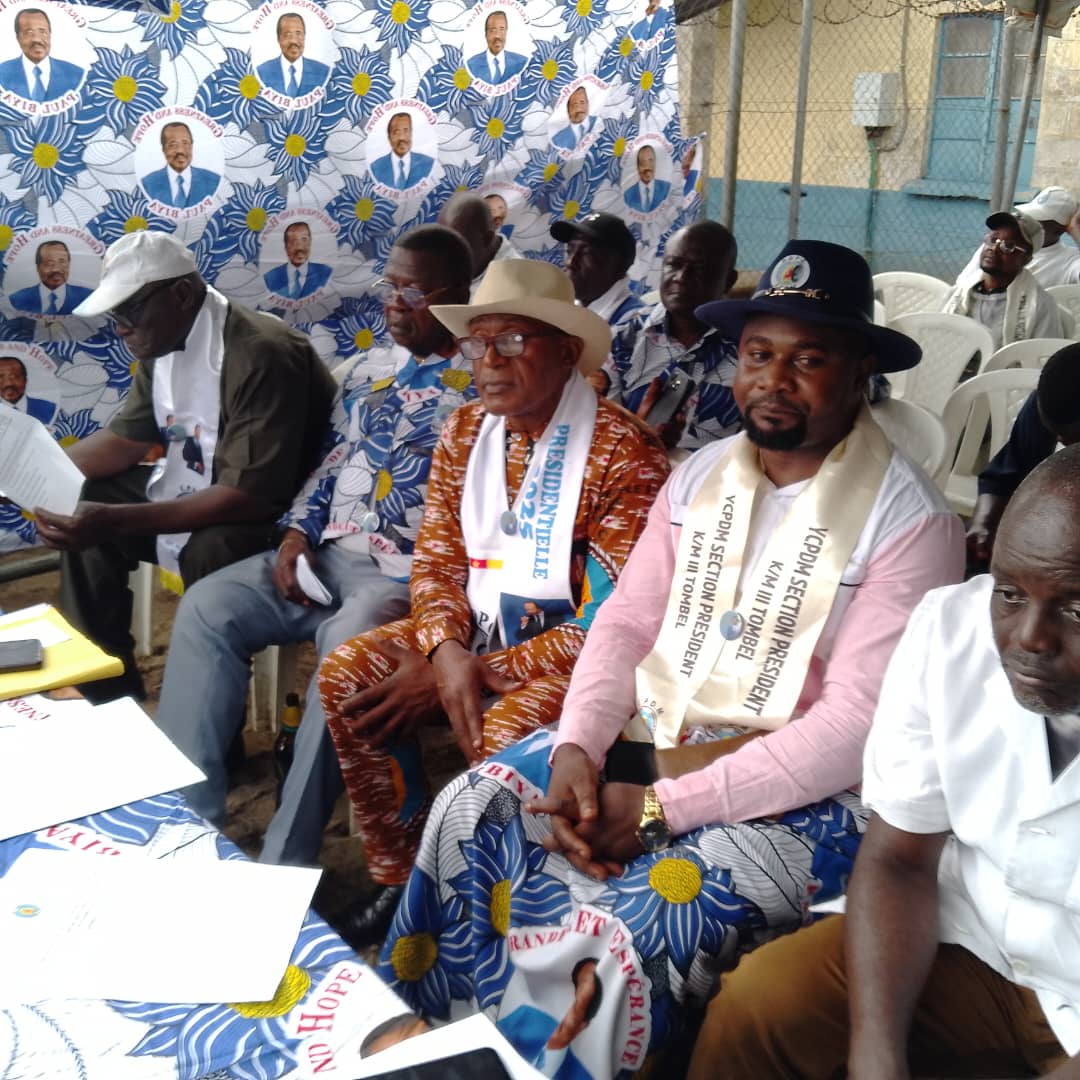
Comrade Kome equally hailed the hard-fought victory of President Paul Biya at the October 12 presidential election, describing it as a clear manifestation of the people’s trust in his leadership and vision for a prosperous Cameroon.
Earlier in his welcome address, the First Deputy Mayor of Tombel Council, Comrade Ebong Basil Enongene, outlined some major achievements recorded under President Biya’s leadership in recent years within the municipality.
He mentioned progress in education, youth empowerment, and infrastructure development, but also expressed concerns over persistent challenges such as the poor state of major roads, inadequate water supply, and limited healthcare facilities.
The Deputy Mayor appealed to the Head of State to give urgent attention to these preoccupying issues to enhance the living standards of the people of Tombel.
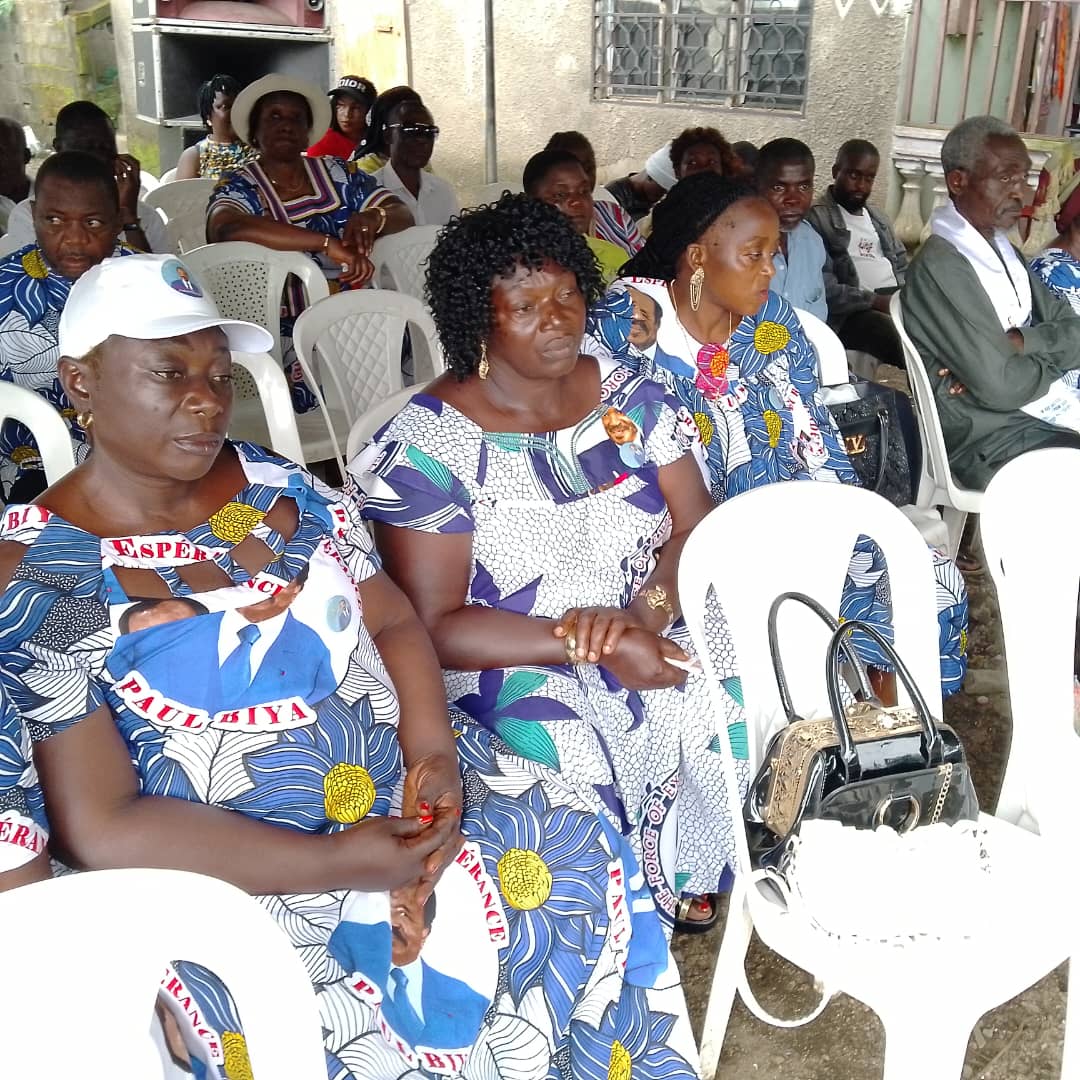
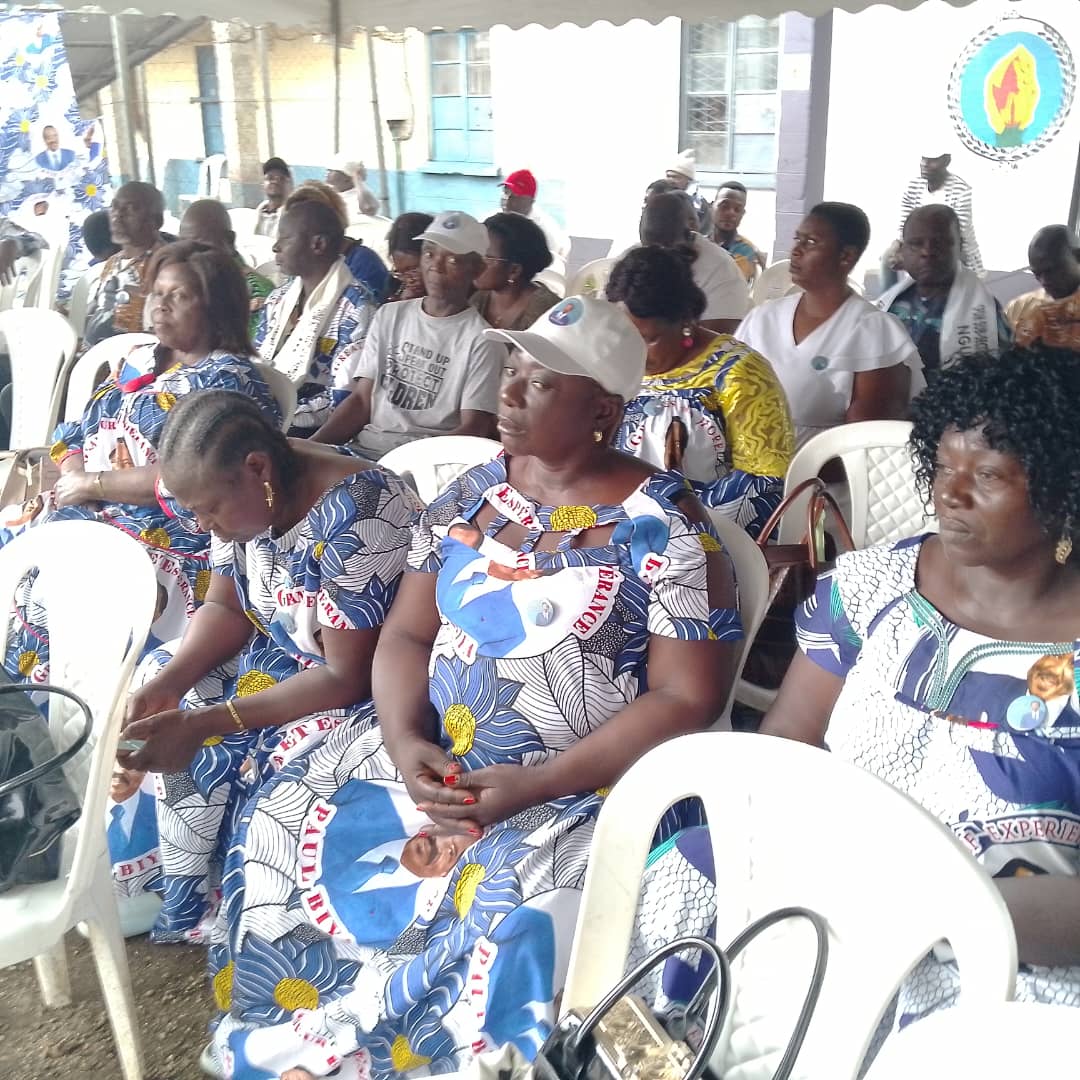
The celebration was marked by cultural displays, songs of praise, and reaffirmations of loyalty to the CPDM and its National Chairman, President Paul Biya.
The event reflected the unity and determination of party militants to continue supporting government policies aimed at strengthening peace, development, and national cohesion.
By Ngome Ernest Akwe
